

How to Make Non-Alcoholic Drinks Taste Better: The Ultimate Guide to Elevated Sipping
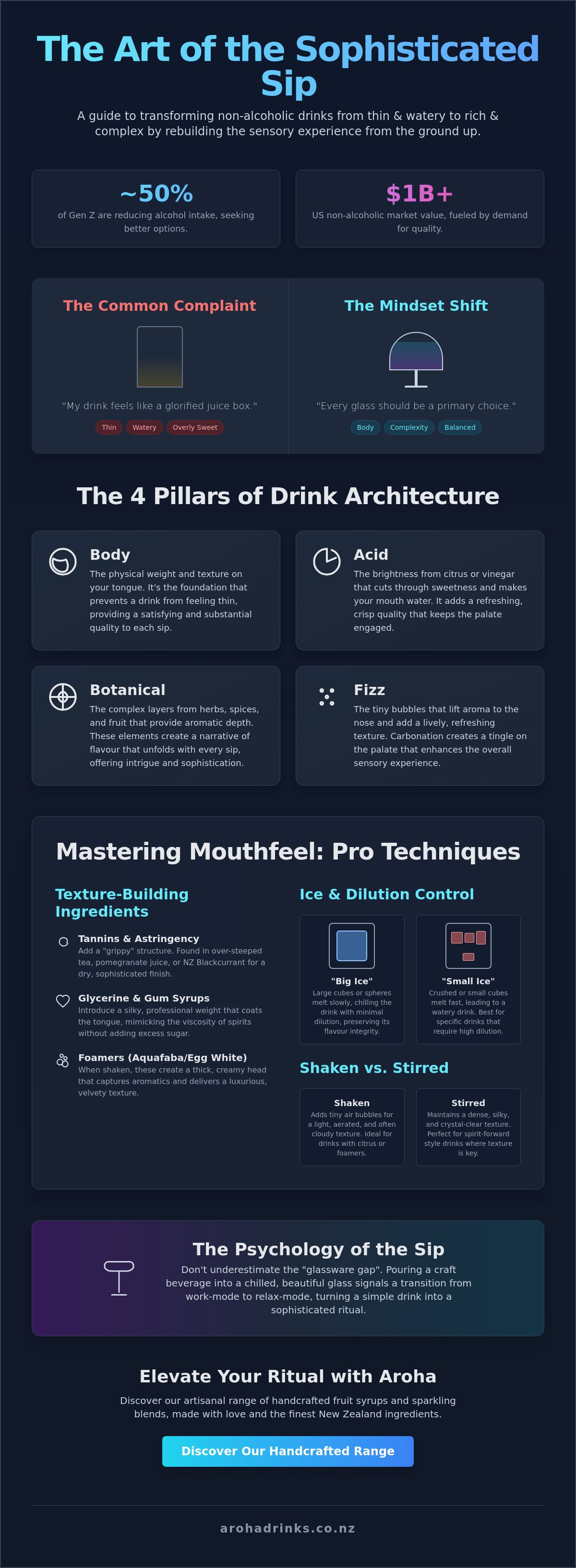
Why does your glass of "sophisticated" soda often end up tasting like a glorified juice box? It's a common frustration for the nearly 50% of Gen Z consumers who are choosing to reduce their alcohol intake. You want a drink that feels special, yet most mocktails lack the body and complexity of a traditional cocktail. If you are wondering how to make non-alcoholic drinks taste better, the secret isn't about what you take out. It's about the love and craft you put in.
We understand that a thin or watery drink can make a night feel less celebratory. The US non-alcoholic market reached a value of $1 billion in 2025 because people are finally demanding more from their glass. In this guide, you'll discover our artisanal secrets for layering bold flavours and building a rich mouthfeel using natural fruit syrups and sparkling blends. We will show you how to transform a simple pour into a sophisticated ritual that celebrates nature's finest offerings.
Key Takeaways
- Transform "thin" drinks into satisfying experiences by mastering the art of mouthfeel and adding natural body to every glass.
- Learn to layer flavours using handcrafted cordials, the ultimate artisanal secret for building botanical complexity and depth.
- Discover how to make non-alcoholic drinks taste better by engaging your senses with aromatic garnishes and refreshing carbonation.
- Embrace a sophisticated drink ritual that celebrates traditional New Zealand ingredients and the joy of a drink made with love.
Why Your Non-Alcoholic Drinks Taste "Thin" (The Mindset Shift)
Have you ever taken a sip of a mocktail and felt it was just missing something? You aren't alone. This "thin" or watery sensation is the most common complaint among those exploring the world of spirits-free sipping. Alcohol provides a physical weight and a gentle heat that carries aroma to the back of the throat. Without it, a non-alcoholic drink can feel like it lacks a backbone. Learning how to make non-alcoholic drinks taste better starts with a simple mindset shift. We aren't just removing the spirits; we're rebuilding a sensory experience from the ground up. At Aroha, we believe every glass should be "Made with Love," treated as a primary choice rather than a secondary thought.
To create that missing complexity, we focus on the four pillars of drink architecture:
- Body: The physical weight and texture of the liquid on your tongue.
- Acid: The brightness from citrus or vinegar that makes your mouth water.
- Botanical: The layers of herbs, spices, and fruit that provide depth.
- Fizz: The tiny bubbles that lift the aroma and add a refreshing edge.
The Psychology of the Sip
The experience of a drink starts long before it hits your tongue. The "glassware gap" often ruins the experience. If you are served a beautiful drink in a plain water glass, your brain stays in "snack mode." Pouring a craft soda into a chilled crystal glass signals a transition. It's about moving from work-mode to relax-mode using visual and sensory cues. This ritual creates a mental space for genuine enjoyment. We treat our ingredients with the same respect a winemaker gives to their grapes. This care transforms a simple beverage into a moment of pure joy.
Moving Beyond "Juice and Soda"
Many people struggle because they rely too heavily on sugar. Overly sweet drinks cause palate fatigue, meaning your tongue gets tired after just a few sips. If you want to know how to make non-alcoholic drinks taste better, you must embrace "dry" and "bitter" profiles. These elements provide the "grip" and lingering finish that alcohol usually offers. By exploring nz made drinks, you will see how traditional Kiwi flavours like Blackcurrant or Feijoa offer natural tannins and acidity. These are the secret weapons for building a drink that feels adult, sophisticated, and deeply satisfying.
Mastering Mouthfeel: Adding Body Without the Booze
Mouthfeel is the soul of a great drink. It is the velvet glide across your tongue and the gentle weight that lingers after you swallow. When we remove alcohol, we lose the viscosity and "heat" that spirits naturally provide. This is why many spirits-free options feel thin or watery. To understand how to make non-alcoholic drinks taste better, we must focus on rebuilding this physical sensation. We want every sip to feel intentional and substantial. It is about creating a drink that holds its own, rather than one that feels like it is missing a key ingredient.
One of the most effective ways to mimic the "bite" of alcohol is through tannins and astringency. Tannins provide a dry, grippy sensation that gives a drink structure. You can find these naturally in over-steeped tea, pomegranate juice, or grape skins. This slight bitterness acts as a counterpoint to sweetness, preventing the drink from feeling like a simple soda. Temperature also plays a vital role. Cold temperatures can suppress sweetness and make a liquid feel denser. When a drink is served at the perfect chill, the flavours become more focused and the texture feels more refined.
Texture-Building Ingredients
Professional bartenders often use small amounts of vegetable glycerine or gum syrups to add a silky, professional weight to drinks. These ingredients provide a luxurious "coat" on the tongue without adding excessive sugar. For those seeking a frothy, celebratory finish, egg whites or aquafaba (chickpea water) are essential. When shaken, they create a thick, creamy head that carries aromatic oils directly to your nose. Our handcrafted fruit syrups are crafted with this natural weight in mind, using real fruit to provide a base that feels rich and satisfying.
The Role of Temperature and Ice
Ice is much more than a cooling agent; it is a tool for dilution control. "Big ice," such as large spheres or cubes, melts slowly. This keeps your drink cold without watering down the carefully layered flavours. The way you prepare the drink also changes the texture. Shaking a drink introduces tiny air bubbles, creating a light and aerated feel. Stirring, on the other hand, maintains a dense and silky texture. If you want to know how to make non-alcoholic drinks taste better, start by matching your ice and technique to the mood of the drink. Using frozen berries or botanical ice cubes can also add evolving layers of flavour as you sip, making the experience last even longer.
Layering Flavours with Natural Cordials and Shrubs
Many people believe that a great non-alcoholic beverage is just fruit juice diluted with a bit of soda. This approach often leads to the "watery" problem we discussed earlier. If you truly want to learn how to make non-alcoholic drinks taste better, you need a high-performance flavour engine. This is where the artisanal cordial comes in. Unlike mass-produced syrups, a handcrafted cordial is a concentrated base designed to provide the "Big Three" of drink architecture: acidity, sweetness, and botanical depth. It is the foundation that allows you to build a drink with the same care and complexity as a fine wine.
Using these concentrates is the ultimate "cheat code" for creating professional nz drink recipes at home. Another secret weapon in the artisan's toolkit is the "shrub." These are fruit-based syrups preserved with vinegar. The vinegar provides a sharp, sophisticated "acid kick" that mimics the throat-burn of spirits. It cuts through sweetness and adds a fermented complexity that juice alone can never achieve. When you balance these sharp notes with the natural sugars of sun-ripened fruit, you create a drink that feels alive and vibrant.
Choosing the Right Base
Your choice of fruit determines the "mood" of your drink. Elderflower is often called the "salt" of the drink world; it doesn't just add a floral note, it actually enhances the other flavours in your glass. For those who miss the deep, tannic complexity of a red wine, Blackcurrant and Rhubarb are excellent choices. They provide a tartness that grips the palate. If you want something truly unique, Feijoa offers an aromatic, tropical edge that celebrates Kiwi ingenuity. These traditional New Zealand flavours provide a natural edge that you won't find in standard supermarket mixers.
Building Complexity with Bitters
Even a few drops of bitters can transform a "flat" drink into something extraordinary. While many bitters contain a small amount of alcohol, the volume used in a single glass is negligible. They act like a spice rack for your drink, adding layers of bark, root, and spice. You can even experiment with making your own botanical tinctures by steeping herbs like rosemary or peppercorns in water. For a deeper look at how these bases are crafted, check out our guide on what is cordial. Understanding your ingredients is the first step toward creating pure joy in every sip.
The Art of the Garnish and Carbonation
We drink with our eyes first. A beautiful garnish is more than just a decoration; it is a signal to your brain that this moment is special. When you are learning how to make non-alcoholic drinks taste better, you must master the science of scent. Scent accounts for a significant portion of how we perceive flavour. An aromatic garnish like a sprig of mint or a twist of citrus oil tricks the brain into perceiving depth and complexity before the liquid even touches your tongue. It transforms a simple beverage into a sophisticated ritual that feels complete and intentional. This is the final layer of love added to your creation.
There is also a "Salt and Pepper" of the drink world that many home enthusiasts overlook. A single drop of saline solution (salt water) can suppress bitterness and make natural fruit notes sing. It acts as a flavour magnifier. Similarly, a tiny pinch of black pepper or a sliver of fresh chili can provide the "back-of-the-throat" warmth that people often miss when moving away from spirits. These small, handcrafted touches are what separate a basic juice from an artisanal experience. They provide the "natural edge" we strive for in every bottle.
Garnishing for Flavour, Not Just Looks
To get the most out of your herbs, give them a firm slap between your palms before placing them in the glass. This simple action ruptures the tiny oil sacs in the leaves, releasing a fragrant cloud of aroma. When it comes to citrus, don't just settle for a wedge. Use a peeler to take a wide strip of zest and "express" it by folding it over the glass. This sprays essential oils across the surface of the drink. While dehydrated fruits offer a beautiful, rustic aesthetic, fresh garnishes provide a bright, zesty energy that celebrates nature's finest offerings.
Mastering the Fizz
The type of bubble you choose changes the entire personality of your drink. Some prefer the tiny, delicate bubbles of mineral water, while others enjoy the bold, aggressive carbonation found in craft soda nz. Whatever you choose, ensure it is ice cold and freshly opened. Flat soda lacks the carbonic acid necessary to cleanse your palate between sips. When combining your ingredients, use a long spoon and a single, gentle stir. This preserves the refreshing goodness and keeps the drink lively from start to finish.
Ready to elevate your home bar? To start your own elevated sipping journey, explore our full range of handcrafted cordials and sparkling drinks today.
Elevating Your Ritual with Aroha’s Artisanal Range
Great drinks shouldn't be complicated. They should be heartfelt. At Aroha, we bring together traditional New Zealand flavours and Kiwi ingenuity to create something truly special. Our process is simple. We source nature's finest offerings and craft them with care. This is how to make non-alcoholic drinks taste better without the fuss. Every bottle we produce is a labour of love. We want to help you turn a quiet afternoon into a genuine celebration. It is about treating yourself to a drink that feels as good as it tastes.
We believe in being big on flavour but small on waste. Our natural cordials come in 500ml bottles, but don't let the size fool you. Each one holds enough concentrate to create 3 litres of pure joy. By choosing concentrates, you reduce glass waste while maintaining total control over your drink's intensity. It's a sustainable way to sip that doesn't compromise on the artisanal experience. For those moments when you want a "grab-and-go" ritual, our sparkling range offers the same botanical depth in a convenient, ready-to-sip format. From the tart snap of Rhubarb to the tropical aromatics of Feijoa, these drinks celebrate the best of the Canterbury Plains.
The Aroha Signature Flavours
Our elderflower collection is a testament to floral elegance. It offers a delicate, honey-like sweetness that pairs perfectly with a crisp sparkling water. If you crave the spicy "heat" often associated with spirits, our ginger beer provides a bold, ginger-forward punch that lingers on the palate. For those who prefer a classic profile, our Coes Craft Sodas are soft drinks, elevated. They are made with pure artesian spring water, ensuring a clean and refreshing goodness in every sip. These are not just mixers; they are handcrafted expressions of our land.
Simple Steps to Your First Elevated Drink
Building your sophisticated ritual is easy. Use our "3-2-1" framework to find your perfect balance every time. Start with 3 parts of your favourite cold fizz. Add 2 parts of an Aroha cordial. Finish with 1 part of fresh citrus or a botanical acid. This ratio ensures your drink has the body and complexity we have explored throughout this guide. Don't be afraid to experiment with the garnishes we discussed. Add a slapped herb or a drop of saline to make the fruit notes pop. The most important ingredient is your own care. Make it with love. Shop the full Aroha range and start your flavour journey today. Your next favourite drink is just a pour away.
Begin Your Journey into Elevated Sipping
Creating a sophisticated drink is an act of care. We have explored the essential pillars of drink architecture: building body, layering botanical depths, and mastering the science of scent. These techniques are the true secret of how to make non-alcoholic drinks taste better. It is a transition from a simple beverage to a meaningful ritual. By treating your ingredients with respect, you transform every pour into a moment of pure joy. You don't need alcohol to create a complex and satisfying experience.
At Aroha, we believe in the power of nature's finest offerings. Every bottle is Made with Love in New Zealand. We use pure artesian water from the Canterbury Plains and natural ingredients. There are no artificial nasties in our range. Whether you choose a floral elderflower or a spicy ginger beer, you are choosing quality you can trust. It's time to bring that artisanal edge to your own home bar. Discover the Aroha range and elevate your next drink ritual. We are so excited to be part of your flavour journey. Happy sipping.
Frequently Asked Questions
How do I make a non-alcoholic drink feel less watery?
Use a high-quality concentrate or artisanal cordial to build immediate body in your glass. These handcrafted bases provide a physical weight and viscosity that plain water or standard fruit juice lacks. You can also experiment with ingredients like aquafaba or a touch of honey to create a silkier texture on the tongue. This is a fundamental step in learning how to make non-alcoholic drinks taste better. It ensures every sip feels substantial and intentional.
What can I use instead of alcohol to get that "bite" or "heat"?
Incorporate ingredients like fresh ginger, chili, or vinegar-based shrubs to mimic the throat-burn of spirits. Ginger provides a natural, spicy warmth that lingers on the palate long after you swallow. Shrubs add a sharp, fermented acidity that cuts through other flavours and adds complexity. These elements provide the "grip" that many people miss when choosing non-alcoholic options. It adds a sophisticated edge to your drink ritual.
Are non-alcoholic drinks healthier than regular soda?
Artisanal non-alcoholic drinks are often a healthier choice because they use natural fruit extracts and less refined sugar. Many mass-produced sodas contain 10% or more sugar by volume. In contrast, handcrafted options focus on botanical depth and pure artesian water. Choosing drinks with no artificial nasties ensures you are nourishing your body while enjoying a premium experience. It is refreshing goodness without the unnecessary additives.
How do I balance a mocktail that is too sweet?
Balance excessive sweetness by adding a source of acid like fresh lemon juice or a splash of apple cider vinegar. Bitterness is another powerful tool for your home bar. A few drops of botanical bitters or a splash of premium tonic water can provide the necessary counterpoint to sugar. This creates a "dry" profile that is much more adult and satisfying. It prevents palate fatigue and keeps the flavours vibrant and crisp.
What are the best New Zealand flavours for non-alcoholic drinks?
Traditional New Zealand flavours like Feijoa, Blackcurrant, and Elderflower offer unique aromatic profiles that celebrate our land. Feijoa provides a tropical, slightly gritty texture that is iconic to Kiwi summers. Blackcurrant adds a deep, tannic complexity similar to a bold red wine. These ingredients celebrate our heritage and Kiwi ingenuity. They bring a natural edge to your glass that you won't find anywhere else in the world.
Can I use cordials in my SodaStream?
You can absolutely use handcrafted cordials with your SodaStream or other home carbonation systems. Always carbonate your water first before adding the flavour base to avoid messy overflows and preserve the fizz. A standard ratio of one part cordial to six parts sparkling water works well for most palates. This allows you to enjoy 3 litres of pure joy from a single 500ml bottle. It is a convenient way to enjoy elevated fizz at home.
What is the best glassware for non-alcoholic cocktails?
Use the same premium glassware you would use for a traditional cocktail, such as a chilled coupe or a heavy-bottomed rocks glass. The weight and shape of the glass change your mental perception of the drink. A stemmed glass keeps your hands from warming the liquid, maintaining that perfect, crisp temperature. This "glassware gap" is often what makes a drink feel less special. Elevating your vessel elevates the entire experience.
How do I make a drink look professional at home?
Focus on using clear, large-format ice and thoughtful garnishes to achieve a professional look. A single, large ice cube melts slowly and looks stunning in a glass. Add a fresh sprig of slapped mint or a neatly expressed citrus twist to provide an immediate aromatic hit. This attention to detail shows your drink was made with love. It is the easiest way to learn how to make non-alcoholic drinks taste better for your guests.